Ragnarok: Twilight Global Hero System Guide

Reese Avery
|2026-05-26In Ragnarok: Twilight Global, the Hero System is more than a side feature—it is one of the core progression systems that defines how fast you clear stages, farm MVP content, survive dungeons, and build long-term combat power.
Unlike traditional class progression, heroes act as explosive combat forms and strategic support units. A well-built hero lineup can help you clear mobs faster, burst down bosses, survive longer auto-farm sessions, and stabilize team dungeon runs. This guide explains how the Hero System works, how to obtain and upgrade heroes, which hero roles matter most, and what combinations are worth building first.
Contents
What Is the Hero System?
The Hero System is a multi-layered growth system that opens early in progression and expands as you unlock more features. Its major parts include Hero Leveling, Artifacts, Divine Accessories, Totems, Astral Veins, Holy Gear / Gear Upgrade, Deployment, and Awakening. Together, these systems increase both your hero’s direct combat performance and the stats your deployed heroes contribute to your character.
Hero Transformation and Combat Flow
The central fantasy is simple: iconic MVP monsters evolve into mythic heroes, allowing your character to transform and unleash powerful skills. During battle, deployed heroes contribute attributes; when the current hero falls, the next deployed hero can take over, or control returns to your main character. This makes deployment order important, especially in long boss fights, dungeon waves, and auto-battle content.
How to Obtain Heroes
Hero Summoning
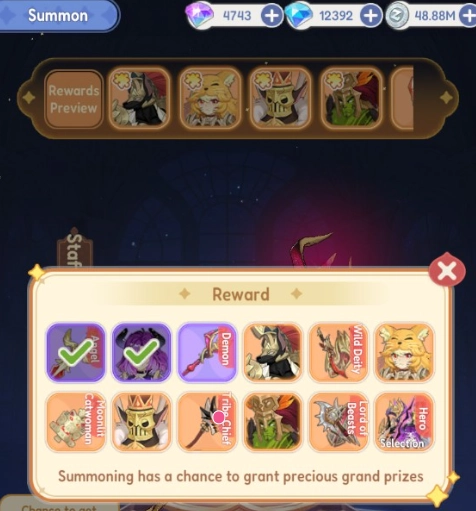
Hero Summoning is the main route for obtaining basic and high-rarity heroes. Some heroes are tied to specific summoning pools or limited event banners, so players should avoid spending all resources randomly and instead save for heroes that fit their team goal.
Auction House Bidding
The Auction House can provide access to high-value heroes and hero-exclusive artifacts. This route is especially useful for players targeting a specific hero rather than relying entirely on summoning luck.
Limited-Time Events
Event heroes and special materials often appear through limited-time activities. These events are important because some heroes, artifacts, or awakening materials may be difficult to acquire outside their event windows.
Hero Growth Systems Explained
Hero Leveling
The main leveling material is Hero’s Tear, which can be obtained through activities such as Guardian’s Hall, daily events, and event shops. For early progression, prioritize practical breakpoint leveling instead of spreading resources too thin. Orange heroes are commonly recommended to reach around Lv.20 first, red heroes can be pushed toward Lv.30, core awakened red heroes can go higher, and pink awakened heroes can eventually reach Lv.50 for additional awakening skill points.
Artifacts and Awakening
Artifacts unlock hero-exclusive skills and are usually obtained through recruitment-related systems or auction access. Once you have both the artifact and required awakening materials, awakening a hero can significantly improve attributes and unlock awakening quests. Completing these quests rewards Hero Medals, which can unlock buffs such as cooldown reduction, extra HP, longer transformation duration, movement speed, and improved skill damage.
Divine Accessories
Divine Accessories are another major hero power source. They can be obtained through Realm-related battle content and improved through synthesis. Their quality tiers are commonly listed as C, B, A, S, SS, and SSS, corresponding to increasing power levels. Upgrading Divine Accessories can also strengthen the hero’s related skill effects, making this system especially important for heroes you actually deploy.
Totems
Totems improve transformation performance. After collecting enough totem cards or fragments, you can unlock additional transformation buffs. Later, totem coins can be used to buy fragments for unlocked slots and raise fragment levels, giving steady long-term scaling.
Astral Veins
Astral Veins unlock later and add another layer of hero investment. Each hero has different Astral Vein slots, and each slot may require a minimum quality. Known quality tiers include Purple, Orange, Red, Pink, Gold, Iridescent, and Black Gold. Fully socketed heroes can also become more useful as assist units, allowing early heroes to retain value later in the game.
Holy Gear
Holy Gear unlocks when a hero’s Divine Accessory score reaches certain thresholds. Different heroes can equip up to four regular Holy Gear pieces plus two special accessory Holy Gear pieces. Holy Gear sets can activate set bonuses, and surplus lower-quality Holy Gear can be consumed for ascension, randomly adding extra attributes.
Hot Recommend
Download LDPLAYER, play Ragnarok: Twilight Global on PC, enhance your gaming experience!


Hero Deployment Rules
You can deploy up to four heroes. The first three slots unlock through main progression, while the fourth slot requires a specific unlock item. Before the fourth slot is available, the priority of your third hero matters more because it affects backup order and transformation continuity.
Recommended Early Deployment Logic
A strong deployment setup should cover three jobs:
- Wave clear for main quests and auto-farming.
- Burst or execution for MVP and boss encounters.
- Control, healing, or survival for longer fights.
The safest early strategy is to build around one primary damage pair and one utility option. If your goal is solo story clearing, prioritize burst and execution. If your goal is AFK farming, prioritize AoE and sustain. If your goal is dungeons, balance DPS, healing, and crowd control.
Matching Heroes With Your Class
Swordsman
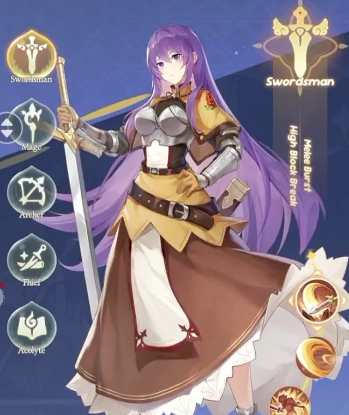
Swordsman players already have durability, so they can benefit from heroes that add burst or AoE. Tribe Chief, Lord of Beasts, and Blazing Angel are good choices for faster clearing, while sustain heroes help in longer fights. Swordsman is beginner-friendly because of its high HP, defense, and simple frontline playstyle.
Archer
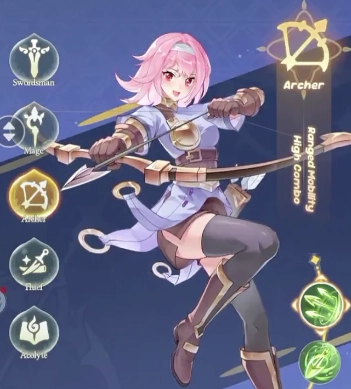
Archer players should focus on safe damage and boss-killing efficiency. Heroes that add control, healing, or emergency burst are ideal because Archers are fragile when enemies close the gap. Demon Enchantress and Moonlit Catwoman can help stabilize fights, while execution heroes improve boss speed.
Mage
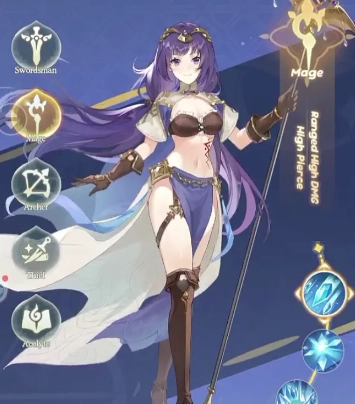
Mage already excels at AoE and burst but needs protection. Control heroes and sustain heroes are especially useful for Mages, since positioning mistakes can be costly. Demon Enchantress, Moonlit Catwoman, and frost-control heroes are strong complements.
Acolyte
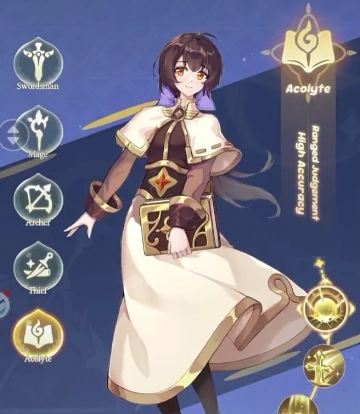
Acolyte benefits most from offensive heroes because the class itself leans toward healing and support. If you play Acolyte solo, prioritize damage-heavy heroes like Blazing Angel, Wild Deity, or Tribe Chief to compensate for lower personal DPS.
Thief
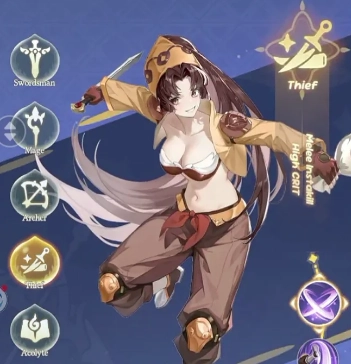
Thief players should look for heroes that help with burst windows, survivability, or control. Since Thief is fast but fragile and equipment-dependent, heroes that create safe openings or quickly finish weakened targets are especially valuable.
Best Hero Combinations
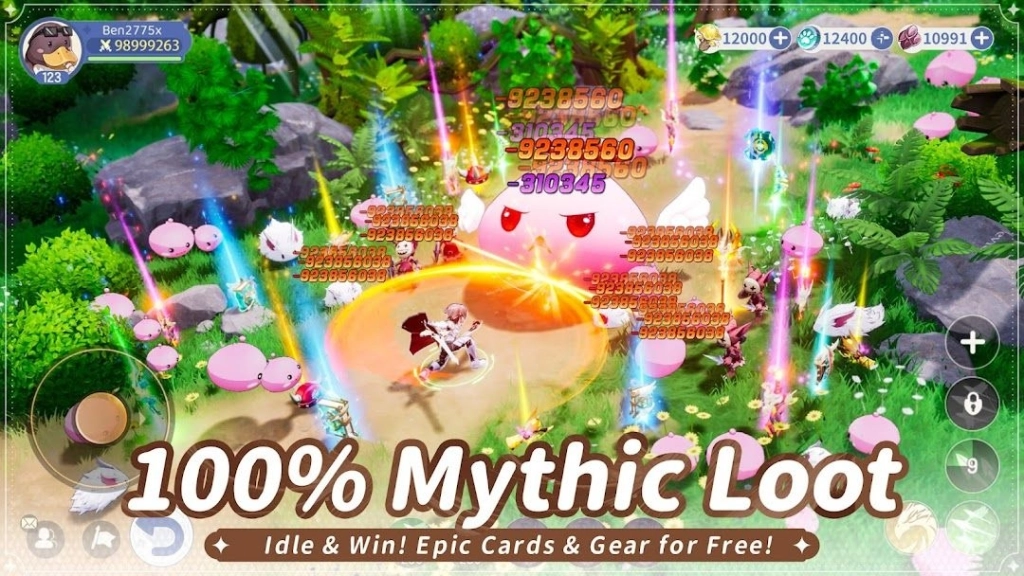
Best Solo Progression Combo: Tribe Chief + Lord of Beasts
For early solo progression, Tribe Chief + Lord of Beasts is one of the most practical combinations. Tribe Chief brings boss-killing pressure and execution value, while Lord of Beasts handles multi-target scenarios and wave-heavy stages. Together, they cover both mini-bosses and mobs, which is exactly what solo story stages usually demand.
Best AFK Farming Combo: Blazing Angel + Demon Enchantress
For auto-farming and long idle sessions, Blazing Angel + Demon Enchantress is a strong setup because it balances fast AoE clearing with crowd control. Blazing Angel helps remove waves quickly, while Demon Enchantress reduces risk by disrupting enemies before they can overwhelm your character.
Best Dungeon Team Core: Wild Deity + Moonlit Catwoman + Demon Enchantress
For team dungeons, use Wild Deity as the main damage engine, Moonlit Catwoman for sustain, and Demon Enchantress for control. This setup creates a stable rotation of damage, healing, and interruption, which is ideal for longer boss encounters and higher-pressure dungeon waves.
Upgrade Priority for Beginners
Step 1: Build One Main Carry Hero
Do not spread Hero’s Tear across every hero early. Choose one carry hero for your main content goal: Blazing Angel for farming, Tribe Chief for boss pushing, Wild Deity for sustained dungeon damage, or Lord of Beasts for group-heavy stages.
Step 2: Unlock Artifact Skills
Artifacts are often more impactful than small stat increases because they unlock hero-exclusive skills. For your main deployed heroes, artifact activation should be treated as a major milestone.
Step 3: Raise Divine Accessory Quality
Divine Accessories directly affect hero skill strength. Focus synthesis and upgrades on the heroes you actually deploy, not heroes sitting unused.
Step 4: Add Totems for Transformation Value
Totems are best once your core lineup is stable. They improve transformation impact and become more valuable as your hero uptime and battle duration increase.
Step 5: Prepare for Astral Veins and Holy Gear
Astral Veins and Holy Gear are later-stage systems. Plan for them, but do not rush them before your basic hero levels, artifacts, and Divine Accessories are functional.
Common Mistakes to Avoid
Upgrading Too Many Heroes at Once
A wide hero roster looks impressive, but early resources are limited. A focused lineup of two or three properly built heroes will outperform a large roster of underleveled heroes.
Ignoring Deployment Order
Deployment order matters because fallen heroes rotate out. Put your most important transformation first when you need fast wave clear, or save a survival/control hero for later if the fight becomes harder over time.
Choosing Only Damage Heroes
Pure damage can work in easy content, but harder dungeons and boss fights often require sustain or control. At least one hero in your active plan should help with survivability, interruption, or battlefield stability.
Forgetting Class Weaknesses
Your hero lineup should cover what your class lacks. A Mage needs safety, an Archer needs protection from close-range pressure, an Acolyte needs damage, and a Thief needs control windows or survivability.
Final Thoughts
The Hero System is one of the defining features of Ragnarok: Twilight Global. It gives players a second layer of combat identity beyond their main class, letting them transform into MVP-inspired heroes, build synergies, and adapt to different content types. The best early approach is to pick a clear goal: farm faster, push bosses, survive dungeons, or prepare for PvP-style pressure.
Once your core heroes are leveled, awakened, and equipped with artifacts, Divine Accessories, Totems, and later Astral Veins or Holy Gear, the Hero System becomes one of the strongest ways to push your combat power and enjoy the MVP transformation fantasy that makes Ragnarok: Twilight Global stand out.