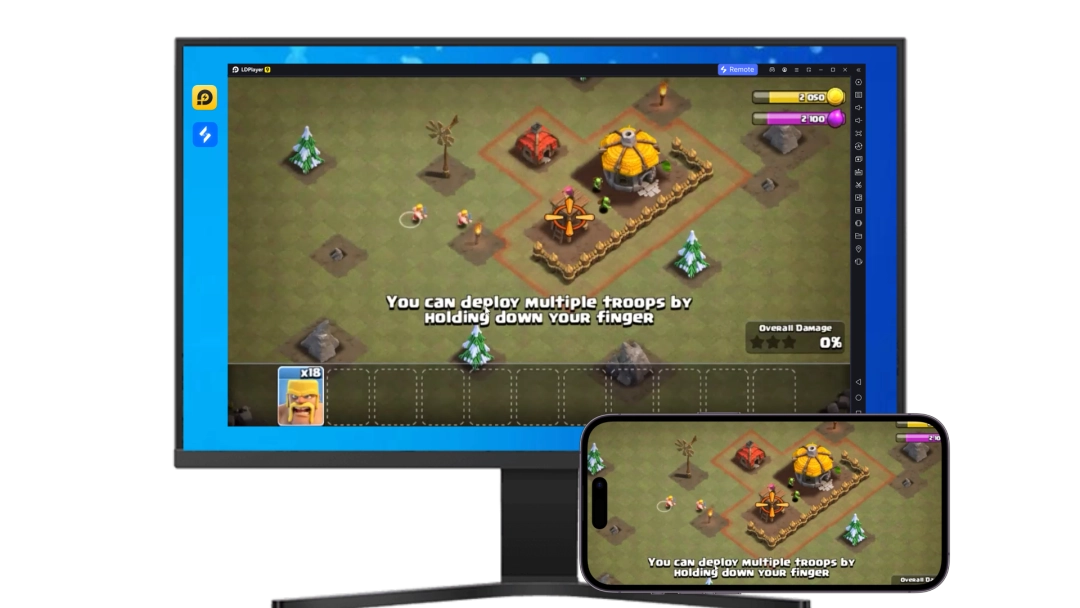


TwistedGraphen-pd is a Strategy game developed by Mordechai Lando, and LDPlayer is the best platform for playing TwistedGraphen-pd on Windows PC, offering powerful features for an immersive experience.
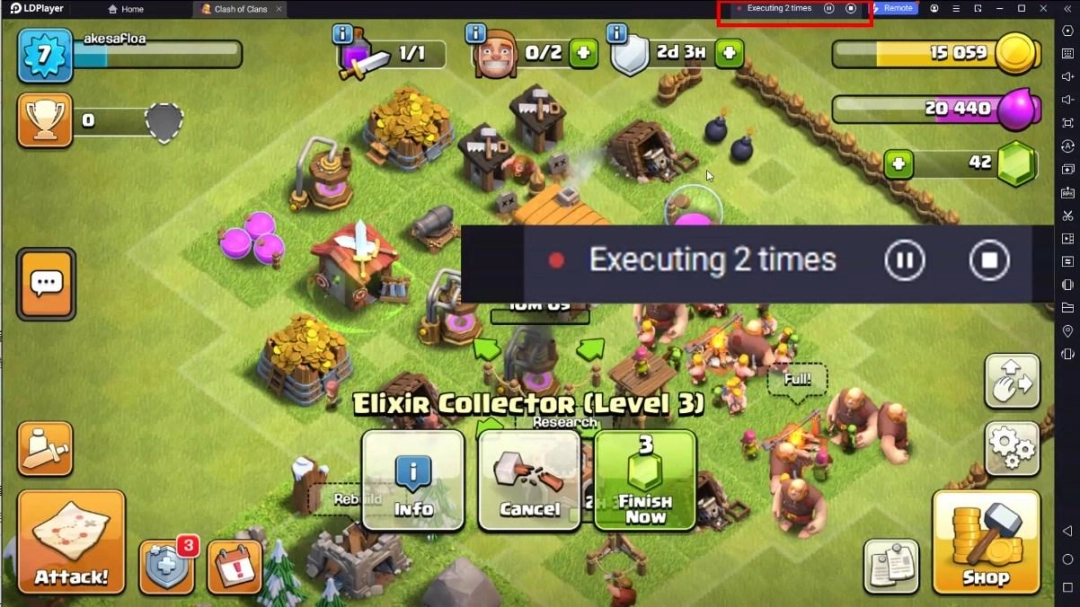
When playing TwistedGraphen-pd on your computer, you can enjoy long game sessions using the operation recording feature to record repetitive operations to complete the same tasks automatically. It allows you to level up faster and makes resource grinding much more efficient.
In addition, if you want to execute combo moves or the game requires repeated skill actions, the macro feature is your best helper. It enables you to complete kills with just one click!
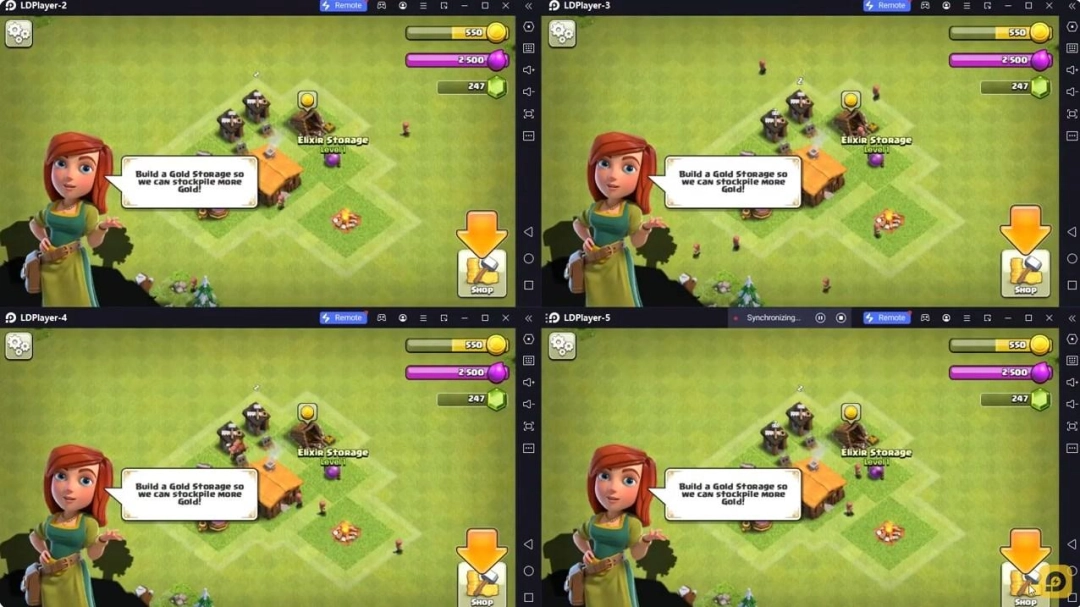
If you want to manage multiple accounts, LDMultiplayer and Synchronizer will assist you. You can run multiple alternative accounts at the same time to assist the leveling of your main account. Download and play TwistedGraphen-pd on PC with LDPlayer now!
The game board of TwistedGraphen-pd includes 6 hexagons that encircle a central hexagon. A white or a black circular site is present in each hexagonal corner. A colorful pawn bank including 24 pawns is available before the game starts. While playing, the user competes with the mobile device. Hereafter, both the device and the users are called players. In turn, a player takes a colorful pawn from the bank and places it on a site. The user places a pawn only in an available white site. The device places a pawn only in an available black site. No colorful pawn may be placed in a site of a hexagon already having that color in another corner site. Whenever a player has no more possible moves, they declare "Out of moves." In each game, there is a starting player (hereafter the starter) and a responding player (hereafter the responder). In case the responder declares "out of moves", the starter wins. In case the starter declares "out of moves", the responder has a chance to place a pawn in a site. If the responder places a pawn on a site, the responder wins. If the responder declares "out of moves", the result is a Tie. There are two possible board games, one of which is selected randomly in each game. There are 7 sets of 24 colorful pawns, one of which is selected in each game. The scores in a series of games are accumulated and presented to the user once a game is over. The user may identify himself/herself by a name. The scores and the name may be shared at the user's will.