Clash Royale Hero Tombstone Guide: Ability, Unlock Method, and Best Decks

pp-jone
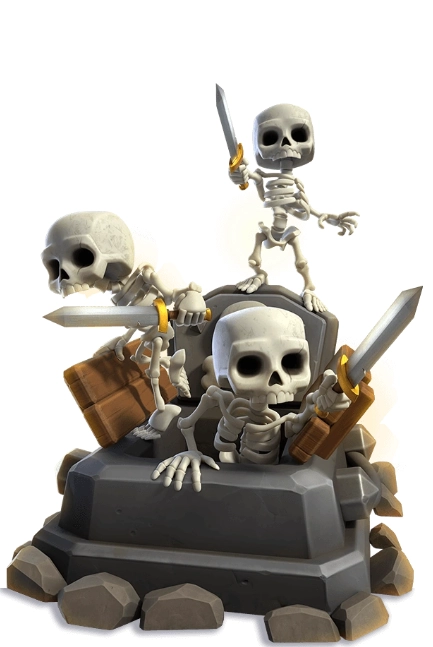
|2026-05-28Hero Tombstone is a new Hero card in Clash Royale that combines defensive utility with a unique transformation mechanic. Like the original Tombstone, it spawns Skeletons and distracts enemy troops, but it can also awaken into the Tomb Queen to create offensive pressure.
Thanks to its strong defensive value and counterpush potential, Hero Tombstone is already becoming popular in control and Graveyard decks. This guide covers its abilities, unlock method, best placements, and strongest decks.
Contents

What Makes Hero Tombstone Different?
The original Tombstone has always been a low-cost defensive building focused on distraction and Skeleton generation.
Hero Tombstone keeps those strengths but adds an entirely new layer through its Hero transformation mechanic.
At the start of the match, the card functions similarly to normal Tombstone:
It pulls enemy troops toward the center
Spawns Skeletons over time
Slows down pushes
Distracts single-target units
Creates positive Elixir trades
However, after meeting its awakening condition, the building transforms into the Tomb Queen.
This is where the card becomes much more dangerous.
Instead of remaining a passive defensive building, Hero Tombstone suddenly turns into an active pressure tool capable of supporting counterpushes and overwhelming opponents with Skeleton pressure.
That flexibility is why many players already believe the card could become a long-term meta staple.
Hero Tombstone Ability Explained
The biggest reason players are excited about Hero Tombstone is its dual-purpose design.
The card effectively gives players:
A defensive building + A late-fight Hero pressure unit
inside a single deck slot.
Base Tombstone Form
Before awakening, Hero Tombstone behaves similarly to the classic Tombstone.
Its main role is defensive control.
Main strengths include:
Pulling enemy win conditions
Constant Skeleton distraction
Stalling pushes
Supporting Princess Tower damage
Creating positive Elixir trades
It performs especially well against slow single-target troops such as:
PEKKA
Prince
Dark Prince
Mini PEKKA
Giant
Hog Rider
Ram Rider
Because Skeletons repeatedly reset enemy targeting, these units often waste valuable time attacking low-cost distractions instead of your towers.
This makes Hero Tombstone extremely efficient defensively.
Tomb Queen Transformation
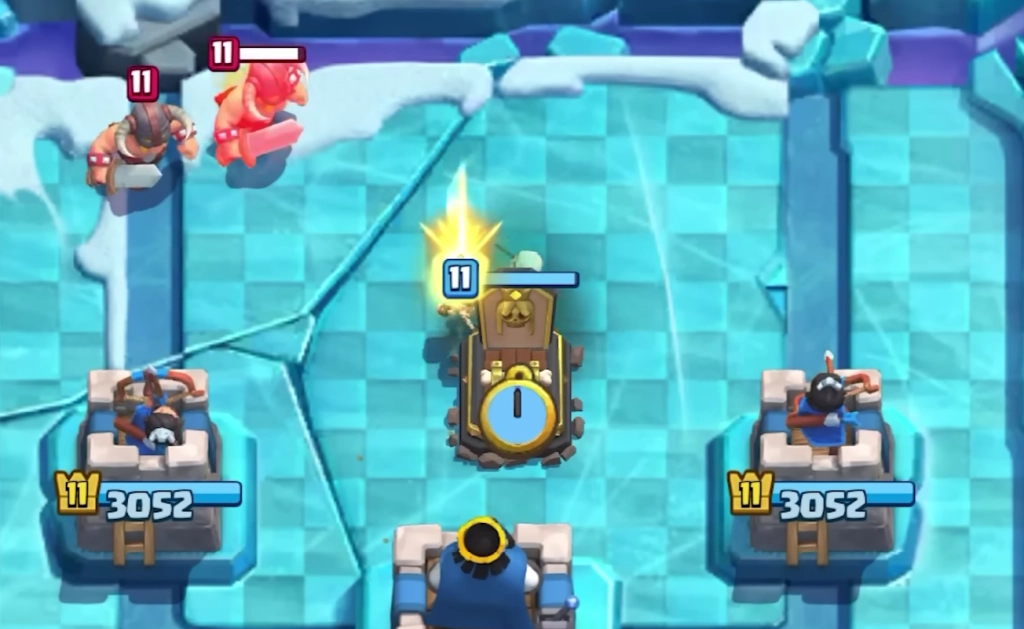
Once the Hero condition activates, Hero Tombstone evolves into the Tomb Queen.
This transformation dramatically changes the card’s role during battle.
Tomb Queen advantages:
Faster Skeleton spawning
Increased offensive pressure
Stronger lane control
Improved counterpush potential
Better swarm support
Continuous pressure generation
Unlike the standard Tombstone, the Tomb Queen can actually force reactions from opponents instead of only defending.
This creates a very strong gameplay pattern:
Defend efficiently
generate Skeleton value
awaken Tomb Queen
launch counterpush
This is especially powerful in double Elixir where defensive trades become more valuable.
How to Unlock Hero Tombstone
At the moment, Hero Tombstone is mainly available through special seasonal systems.
Current unlock methods include:
Limited-time Hero events
Pass Royale rewards
Hero Chests
Seasonal progression tracks
Challenge rewards
Special event shops
Some community discussions suggest the card may eventually enter normal progression pools later, but currently it is treated as a premium seasonal Hero unlock.
Because Hero cards are relatively rare, unlocking Hero Tombstone early can provide a strong advantage for players who prefer defensive or control-focused decks.

Best Hero Tombstone Placements
Placement is one of the most important skills when using Hero Tombstone properly.
Many beginner players lose value simply because the building is placed incorrectly.
Standard Defensive Placement
The safest placement is:
Middle placement
4 tiles from river
This positioning allows Hero Tombstone to:
Pull units into both Princess Towers
Maximize Skeleton distraction
Force enemy pathing
Buy extra defensive time
This is the most reliable placement against:
Hog Rider
Giant
PEKKA
Ram Rider
Anti-Bridge Spam Placement
Against aggressive bridge spam decks, slightly lower placements are often safer.
This helps prevent:
Instant building destruction
Overcommitment punishments
Early spell value
Double Elixir Defensive Cycling
During double Elixir, experienced players often cycle Hero Tombstone proactively to maintain constant Skeleton pressure and keep defensive control.
This is especially effective in Graveyard and Splashyard decks.
Best Decks for Hero Tombstone
Hero Tombstone fits best inside slower control archetypes.
1. Graveyard Control
One of the strongest current archetypes.
Recommended deck core:
Hero Tombstone
Graveyard
Poison
Ice Wizard
Baby Dragon
Tornado
Knight
Barbarian Barrel
Why it works:
Hero Tombstone stalls pushes
Splash units clear support troops
Graveyard punishes defensive overspending
Tomb Queen creates extra pressure
This deck becomes extremely oppressive in double Elixir.
2. Splashyard Variants
Splashyard players value Hero Tombstone because it improves defensive consistency while adding stronger counterpush pressure than normal Tombstone.
The Skeleton generation also synergizes extremely well with:
Tornado
Ice Wizard
Poison control
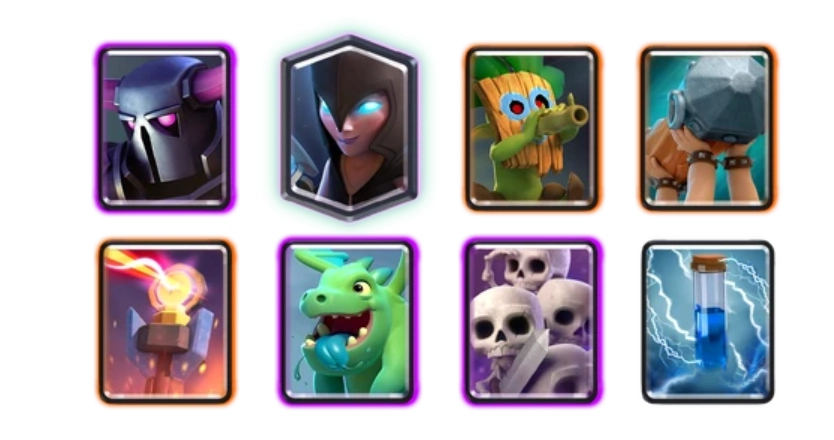
3. PEKKA Counterpush
Hero Tombstone also works surprisingly well with slower PEKKA control decks.
Example support core:
PEKKA
Royal Ghost
Hero Tombstone
Poison
Phoenix
Electro Wizard
The card helps stabilize defense while enabling stronger counterpush transitions.
4. Defensive Cycle Decks
Some players are experimenting with lighter defensive cycle decks focused on:
constant Skeleton pressure
rapid Hero cycling
repeated counterpush setups
This playstyle is difficult to master but potentially very strong.
Biggest Counters to Hero Tombstone
Despite its strength, the card still has several important weaknesses.
Splash Damage Units
Cards like:
Valkyrie
Bomber
Wizard
Executioner
Baby Dragon
can remove Skeletons very efficiently.
Since Hero Tombstone depends heavily on Skeleton value, splash damage can reduce its overall effectiveness significantly.
Poison
Poison is especially dangerous because it:
damages the building
clears Skeletons
weakens counterpush potential
Many Graveyard matchups may become Poison wars because of this interaction.
Fast Cycle Pressure
Very fast decks may pressure too aggressively before Hero Tombstone gains enough value.
Examples include:
Hog cycle
Miner cycle
Bridge spam variants

Common Beginner Mistakes
Overcommitting Around Tomb Queen
Many players become too aggressive after awakening the Hero form.
The Tomb Queen is strongest when supporting existing pressure, not forcing random solo pushes.
Ignoring Enemy Spells
Always track:
Poison
Fireball
Log
Arrows
before relying heavily on Skeleton swarms.
Poor Placement
Bad placement can completely ruin defensive value.
Even one tile difference may allow Hog Rider or Ram Rider to bypass the building.
Using It Like Normal Tombstone
Hero Tombstone is not just a defensive building.
Its real strength comes from converting defense into offensive pressure later.
Hot Recommend
Download LDPLAYER, play Clash Royale on PC, enhance your gaming experience!


Final Thoughts
Hero Tombstone is one of the most creative defensive cards Clash Royale has introduced in years. By combining traditional Tombstone mechanics with a Hero transformation system, the card creates an entirely new playstyle built around defense, value generation, and counterpush pressure.
While the card may look simple at first, mastering placement, timing, and transformation management takes real skill. Players who learn those mechanics well will likely find Hero Tombstone becoming one of the most reliable defensive tools in the current Clash Royale meta. And once you are done, make sure to claim Clash Royale codes as well to further enhance the decks you own.
More from Clash Royale: