Neverness to Everness Gacha Guide: How to Pull Smarter and Faster with LDPlayer

Reese Avery
|2026-04-29Neverness to Everness doesn’t use a traditional “press button and pray” gacha. Instead, it turns every pull into a board game, and once you understand both the system and how to optimize your pulls, you can stretch your resources much further.
Understanding the NTE Gacha System
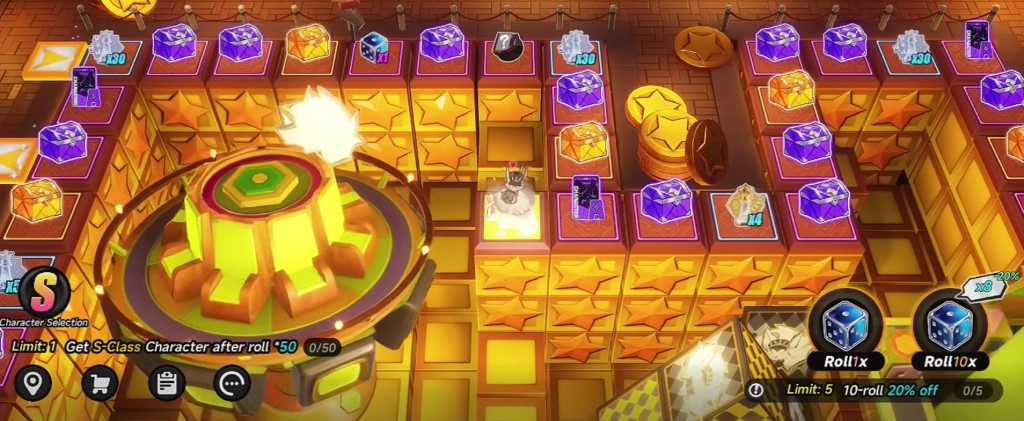
At the core of Neverness to Everness is a dice-based system called Scarborough Fair. Instead of standard pulls, you roll dice to move a piece across a board, and each tile determines your reward, including characters, weapons, or currency. Every pull costs 160 Annulith, and a full ten-pull costs 1,600.
This makes the system feel more interactive, but underneath, it still follows probability rules, which means strategy matters more than it first appears.
Banner Types You Need to Know
Neverness to Everness splits its gacha into three main systems.
Limited Board
This is the character banner where the featured S-class character is guaranteed when you obtain an S-class. There is no 50/50 mechanic, which removes one of the biggest frustrations seen in other gacha games. The hard pity is set at 90 pulls.
Standard Board
This banner uses a separate dice system and does not include limited characters. The pity structure remains the same, but it is mainly used for general progression rather than targeting specific units.
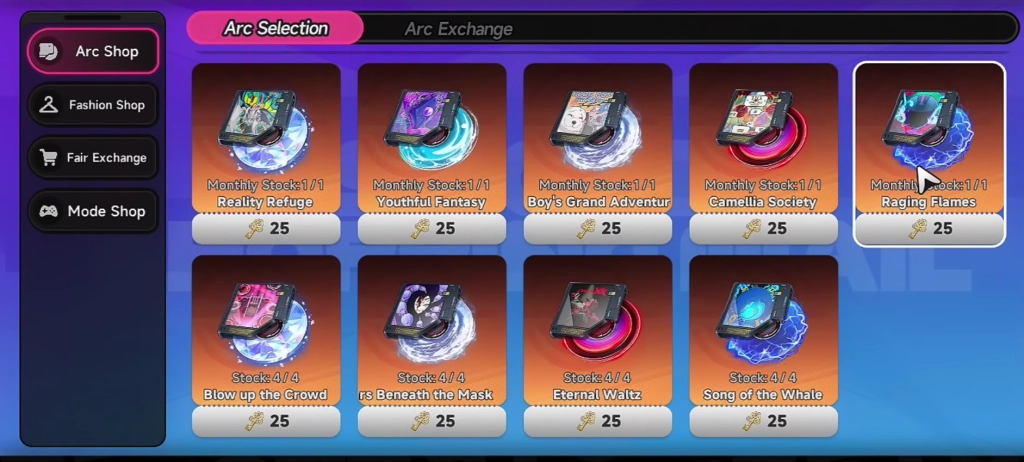
Arc Research
This is the weapon banner that runs alongside character banners and uses a separate currency system. It functions similarly to weapon systems in other games but is integrated into NTE’s overall gacha structure.
Pity System: Where Efficiency Really Matters
The most important mechanic in Neverness to Everness is Board Modification.
At around 70 pulls, the S-class rate increases dramatically from 1.87 percent to nearly 20 percent. At the same time, the board itself upgrades, increasing the likelihood of landing on high-value tiles that directly reward S-class items. Hard pity remains at 90 pulls, and importantly, pity progress carries over between banners.
In practical terms, most players will obtain their S-class between 70 and 90 pulls, which makes planning your resources around this range far more efficient than relying on early luck.
Why NTE Is More Friendly Than It Looks
Compared to other gacha systems, Neverness to Everness is designed to reduce wasted pulls.
There is no 50/50 system, featured characters are guaranteed, pity carries over, and monetization focuses more on cosmetics than raw power. Because of this, the real limitation is not luck but how efficiently you manage your pulls and time.
Where LDPlayer Changes the Game
This is where LDPlayer comes in. Most guides stop at explaining the gacha system, but optimization goes further when you introduce emulator tools.
Using LDPlayer shifts the experience from a single-account grind into a parallel process where you can test outcomes faster and reduce repetition.
Multi-Instance: Parallel Reroll Strategy
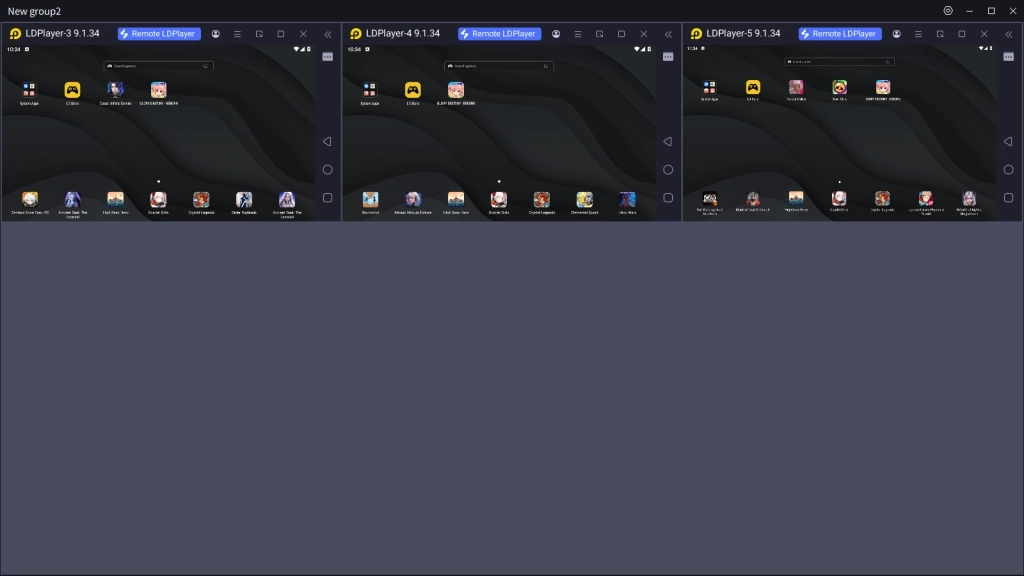
With multi-instance, you can run multiple accounts at the same time, each in its own independent environment. You can progress all of them to the first pull stage and roll simultaneously across accounts.
This matters because early pulls still operate under low probability conditions. By increasing the number of accounts you roll on at once, you effectively increase your sample size within the same time frame. Instead of relying on one outcome, you are generating several outcomes in parallel, which significantly improves your chances of starting with a strong account.
Synchronizer: One Input, Multiple Actions
Multi-instance becomes far more powerful when combined with the synchronizer feature.
The synchronizer mirrors your actions across all active instances. When you skip tutorials, claim rewards, or roll the dice, every instance performs the same action at the same time.
In practice, this removes the most time-consuming part of rerolling, which is repeating identical actions across multiple accounts. What would normally take hours can be reduced to a much shorter and more controlled process.
Advanced Pull Optimization
Once you combine Neverness to Everness mechanics with LDPlayer’s tools, the workflow becomes much more efficient.
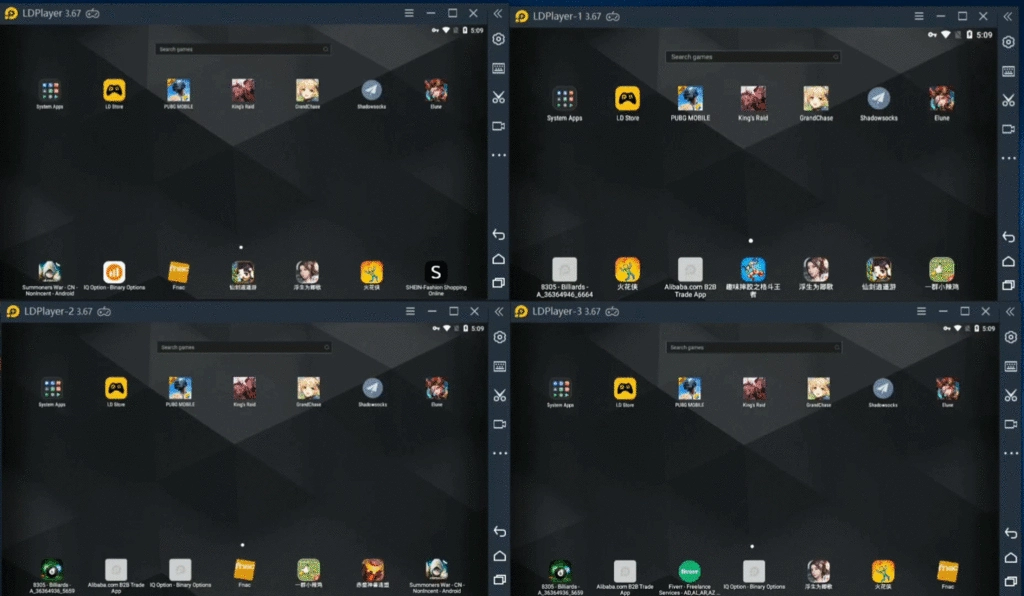
You can run multiple accounts, push them through early progression in sync, and evaluate results quickly. Strong accounts can be kept while weaker ones are discarded. As you move into mid-game, you can focus your main account on reaching the 70 to 90 pull range where pity becomes most valuable, while secondary accounts can still be used for testing or alternative strategies.
Because pity carries over, planning becomes more important than rushing pulls. Efficient players commit to banners where they can realistically reach the high-probability window instead of spreading resources too thin.
LDPlayer: The Best Android Emulator to Play NTE: Neverness to Everness on PC!!!
Conclusion
Neverness to Everness is not purely about luck, even though it presents itself as a gacha system. The dice board, pity scaling, and guaranteed mechanics already give players a structured way to approach pulls, but the real difference comes from execution. By using LDPlayer’s multi-instance and synchronizer features, you reduce repetition, increase efficiency, and turn what would normally be a slow, single-account process into a streamlined system that produces better results over time.